
A sideswipe crash on a road like Gandy Boulevard or 4th Street North can feel minor at the scene, but it can transform into a serious situation days later, and proving who drifted out of their lane is rarely a simple matter. Seeking out the counsel from a trusted local sideswipe car accident lawyer like The Ruth Law Team as soon as possible is key.

For more than 40 years, The Ruth Law Team has helped injured drivers across St. Petersburg and Pinellas County hold negligent drivers accountable by seeking to recover the full value of their claims. If another driver sideswiped you, call (727) 327-3222 for a free, no-obligation case review.

What Is a Sideswipe Collision?

A sideswipe collision happens when the side of one vehicle makes contact with the side of another vehicle traveling in the same or opposite direction. It most often occurs when a driver changes lanes, merges, or drifts without checking that the move is safe. Because the damage runs along the length of the vehicle rather than the front or rear, these crashes can send a car spinning, off the road, or into a neighboring lane, multiplying the danger.

In St. Petersburg, sideswipe crashes often cluster on high-volume merge zones where lanes converge at higher speeds. Common places include:

  • Gandy Boulevard and the Gandy/4th Street intersection
  • 4th Street North — statistically among the highest-risk roads in the city
  • US‑19 / 34th Street North
  • I‑275 interchanges (4th Street North, 5th Avenue North, and 54th Avenue South rampsm as well as Howard Frankland on ramps)
  • Tyrone Boulevard and 66th Street North

St. Petersburg recorded roughly 7,800–8,000 traffic crashes in recent years, with dozens of fatalities and well over 100 serious injuries annually, according to the Florida Traffic Safety Dashboard.

Who Is at Fault in a Sideswipe Accident in Florida?

In most Florida sideswipe accidents, the driver who left their lane is at fault. Under Florida Statute § 316.085, a driver may not move from their lane until they have determined the move can be made “with complete safety.” When a driver changes lanes or merges without signaling, without checking a blind spot, or while distracted, and sideswipes another vehicle, that statutory violation is strong evidence of negligence.

Unlike rear-end crashes, where fault usually falls on the trailing driver, sideswipes often become a dispute between the two drivers involved.  Both drivers may insist they held their lane. That is exactly why an independent investigation matters, and why insurers move quickly to assign blame to the injured party. Time is of the essence in these situations to get facts organized and documented. Speaking with a sideswipe car accident attorney can help guide you in the correct direction to maximize your potential to pursue damages.

Florida’s Comparative Negligence Rule

Florida follows a modified comparative negligence standard. As of the 2023 tort reform, you can recover damages only if you are found to be 50% or less at fault.  When you share some blame but stay at or under 50%, your compensation is reduced by your percentage of fault. For example, if your awarded $100,000 and you are found 20% at fault, your recovery is reduced by $20,000.

This rule is why insurance companies fight so hard to pin part of the blame on you in a sideswipe case, because every percentage point they shift lowers what they could be obligated to pay out. The Ruth Law Team gathers the evidence to keep fault where it belongs, and helps you pursue the maximum available compensation.

Florida Is a No-Fault State — Here’s What That Means for Your Claim

Florida’s No-Fault / PIP system requires drivers to carry at least $10,000 in Personal Injury Protection (PIP), which pays a portion of your own medical bills and lost wages regardless of who caused the crash.

PIP coverage alone is rarely enough to cover the cost of treatment for injuries. You can step outside the no-fault system and pursue a claim directly against the at-fault driver when your injury meets Florida’s serious injury threshold which includes significant and permanent loss of a bodily function, permanent injury, significant scarring or disfigurement, or death. Stepping outside the no-fault system is what opens the door to compensation for pain and suffering and other similar intangible damages (PIP does not pay for pain and suffering.)

Call us at (727) 325-5155 or contact us online to schedule a free consultation today.

Contact Us

  • This field is for validation purposes and should be left unchanged.

Common Causes of Sideswipe Accidents

Most sideswipe crashes trace back to a driver who failed to confirm the lane was clear:

  • Unsafe lane changes without signaling
  • Blind-spot failures — not checking before merging
  • Distracted driving (phones, navigation, eating)
  • Drifting from drowsiness or impairment
  • Dual merges where two drivers enter the same lane at the same time
  • Improper passing on undivided roads

Industry data from the National Highway Traffic Safety Administration attributes the majority of sideswipes to failure to signal or check blind spots, with distraction a leading secondary factor.

How We Prove Fault in a Sideswipe Case

Because sideswipes are disputed so often, and so heavily, evidence is what’s needed to win these claims. As technology evolves, having access to additional resources to utilize as evidence is becoming easier for everyone. We recommend all drivers install a dashcam for exactly these situations. The Ruth Law Team may gather and preserve:

  • The Florida Traffic Crash Report and investigating agency’s narrative
  • Witness statements from other drivers, passengers, and bystanders
  • Paint transfer and damage location showing which vehicle crossed the line
  • Dashcam and traffic/business surveillance footage
  • Vehicle ECM (“black box”) data on speed and steering inputs
  • Accident reconstruction when liability is heavily contested

Call us at (727) 325-5155 or contact us online to schedule a free consultation today.

What to Do After a Sideswipe Accident in St. Petersburg

The hours and days right after a sideswipe crash shape how your claim plays out. Because fault is so often disputed in these cases, the steps you take at the scene frequently decide who the insurance company believes. Here is what we recommend you do.

  1. Stop and call 911. Leaving the scene of a crash involving injury or property damage is a crime in Florida, and an officer’s report is one of the most important pieces of evidence you can have. Tell the dispatcher if anyone is hurt and request both police and EMS. When the officer arrives, give a clear, factual account of what happened — but don’t speculate about or admit fault. If you’re on a fast-moving corridor like Gandy Boulevard or an I‑275 ramp, move to a safe shoulder first if your vehicle is drivable and you’re able to safely move it out of the lanes of travel.
  2. Document everything before vehicles are moved. Photos and video are what break a sideswipe dispute between the drivers. If it can be done safely, capture the damage line along both vehicles (the location and direction of the scrape often helps reveal who crossed the lane), the final resting positions of both cars, lane markings and skid marks, traffic signs and signals, the weather and lighting, and any visible injuries. Take wide shots that establish the scene and close-ups of the contact points. Note the exact location and direction of travel.
  3. Exchange and collect information. Get the other driver’s name, an image of their driver’s license, license plate, insurance carrier and policy number, and the make/model of their vehicle. Just as important: get the names, addresses and phone numbers of every witness before they leave. Independent witnesses are invaluable in a disputed sideswipe, and they rarely stick around or can’t be tracked down later.
  4. Get medical care immediately, even if you feel “fine.” Adrenaline routinely masks soft-tissue injuries, whiplash, and concussions for hours or days. Seeing a doctor promptly does two things: it protects your health, and it creates the medical record that links your injuries to the crash. Florida’s PIP coverage generally requires you to seek treatment within 14 days of the accident, and any gap in treatment is the first thing an insurer will use to argue you weren’t really hurt.
  5. Preserve evidence and contact a lawyer early. Dashcam footage gets overwritten, business and traffic-camera videos are deleted on short cycles, and vehicles get repaired or totaled, which often takes the damage evidence with them. The sooner a lawyer can send preservation letters and begin investigating, the stronger your ability to prove fault. A free consultation costs you nothing and starts the clock on protecting your evidence.
  6. Talk to insurance companies — carefully. You have a duty to notify your insurance company, and because Florida is a no-fault state your own PIP pays first. But keep it brief and factual. Do not give a recorded statement to the other driver’s insurer, and don’t accept a fast settlement offer, the insurance company will often try to settle quickly. Early offers are almost always far below what your claim is worth, and once you sign a release you cannot reopen the claim if your injuries turn out to be serious. By getting The Ruth Law Team involved promptly, we can take some of the burden of talking to the insurance carriers away for you.
sideswipe car accident lawyer St. Petersburg

Compensation You May Be Able to Recover

What your sideswipe claim is worth depends on the severity of your injuries and how the crash has affected your life and finances. When your injuries meet Florida’s serious-injury threshold and you can pursue the at-fault driver directly, recoverable damages typically fall into two categories.

Economic damages are your measurable financial losses:

  • Medical expenses — emergency care, hospital stays, surgery, imaging, physical therapy, medication, and the cost of future treatment for injuries that don’t fully heal.
  • Lost wages for time missed during recovery, plus diminished earning capacity if your injuries limit the work you can do going forward.
  • Property damage to your vehicle, and its diminished value — the resale value a car loses simply from having been in a documented accident, even after a quality repair.
  • Out-of-pocket costs such as rental cars, medical devices, transportation to appointments, and household help you needed while injured.

Non-economic, or Intangible, damages compensate for the human toll:

  • Pain and suffering, available once you step outside the no-fault system by meeting the serious-injury threshold (PIP does not pay for this).
  • Mental anguish, emotional distress, and loss of enjoyment of life.
  • Disfigurement or permanent scarring, which can be available when meeting the serious-injury threshold under Florida law.

In the most serious cases — a wrongful death, or conduct involving intoxication or gross negligence — punitive damages may also be claimed. The value of sideswipe outcomes range enormously: a minor sideswipe with limited injuries may resolve for a few thousand dollars, while documented Florida-region results for serious crashes can run into the high six and seven figures.  With many claims falling somewhere in between. The only way to know what your specific claim is worth is to have it evaluated by our experienced car accident lawyers at The Ruth Law Team.

Call us at (727) 325-5155 or contact us online to schedule a free consultation today.

How Long Do You Have to File a Claim with Florida’s Statute of Limitations

For most car accident claims in Florida, the statute of limitations is two years from the date of the crash, following the 2023 tort reform that cut the previous four-year window in half. If you wait past that deadline, the court will almost certainly dismiss your case and you lose the right to recover anything, no matter how clear the other driver’s fault.

Claims against a government entity (for example, a crash involving a city or county vehicle) carry shorter notice requirements and special procedures to be followed.

Two years can feel like plenty of time, but building a winning sideswipe case takes months of investigation, and the most valuable evidence often disappears within days or weeks. Acting early protects both your deadline and your evidence to provide proof.

Why Choose The Ruth Law Team

Sideswipe cases are won by the side that can build a strong case based on the evidence available.  That’s where decades of focused experience and investigation matter. The Ruth Law Team brings:

  • 40+ years representing injured people across St. Petersburg, Pinellas County, and Florida — and a deep familiarity with the local roads, courts, and insurance tactics involved in these claims.
  • A local St. Petersburg office at 8600 4th Street North, minutes from the Gandy, 4th Street, US‑19, and I‑275 corridors where these crashes happen.
  • A team that handles the insurance companies for you — from the first phone call through negotiation and, if necessary, trial — so you can focus on recovering.
  • No fee unless we win. You pay nothing up front, and we only get paid when we recover for you.
  • A reputation built on results and one promise: Seek Justice for Our Clients.

Check out a few online reviews from local St. Petersburg clients:

Vincent rated us 5-stars on Google saying:

“Milly, Carlos, Jessica and Christina from Ruth Law did an outstanding job of processing my insurance claim for injuries sustained from a recent traffic accident. This team of legal experts worked seamlessly together in a professional manner to investigate my case and worked closely with several insurance companies to complete a satisfactory settlement for me in an expeditious manner. The quality and accuracy of their work was also exceptional. They were extremely helpful and courteous while exhibiting a high degree of skill while they worked with me to resolve my claim. The entire Ruth Law staff was very knowledgeable and a pleasure to deal with during the entire claim process. We were completely satisfied with their results and would highly recommend the Ruth Law Team in St. Petersburg Florida to anyone needing legal services. We will definitely use them again should we ever need their services in the future!”

Here’s what Adrea said when she rated us 5-stars on Google:

“I want to express my sincere gratitude to The Ruth Law Team for their incredible work helping me with my car accident case. From the very first moment, I felt supported, listened to, and completely well represented.

In particular, I want to highlight attorney Amy Catledge, who demonstrated an exceptional level of professionalism, commitment, and compassion. She was always willing to explain each step of the legal process to me with patience and clarity, which gave me great peace of mind during a very difficult time.

I also want to express my deep gratitude to Patricia, my paralegal, for her efficiency, empathy, and dedication. She was always attentive to my questions, kept track of my documents, and communicated with me to ensure everything was in order. She was an essential guide throughout this process.

I recommend The Ruth Law Team without hesitation. They are a compassionate, efficient, and dedicated team that truly fights for their clients. Thanks for everything!”

This is what Justin said online when he left us a 5-star review:

“I never leave reviews, like ever. Honestly, I’m usually skeptical of online reviews and always wonder how many of them are actually real. But after everything this team did for me, I felt like I needed to briefly share my experience.

After my accident, I felt completely overwhelmed and had no idea what to do. They were exactly the team I needed. They made sure all of my injuries were thoroughly evaluated, kept me informed every step of the way, and always took the time to answer my questions.

I especially want to thank Jessica, who led my case from start to finish. I’m naturally a very anxious person and tend to ask a lot of questions, but she never once made me feel like I was bothering her. She was always patient, professional, and incredibly easy to talk to. No matter what question I had or how many times I needed clarification, she always took the time to explain everything in a way that was easy to understand.

When I was confused, she had answers. When I was worried, she took the time to help me understand what was happening and what to expect next.

Thanks to Jessica and the rest of the team, we were able to reach a great settlement without having to go to trial and achieved the outcome we were hoping for. I truly cannot adequately express how grateful I am for all of their hard work, support, and dedication throughout the process.

If you find yourself needing a personal injury attorney, I would not hesitate to recommend Jessica and this firm.”

Case Results For St. Petersburg Car Accident Cases

Go see more of our case results here. We represent people throughout St. Petersburg with any and all car accident related injuries. If you’ve been sideswiped, contact us to schedule a free consultation.

$1,923,721.90

Settlement for client t-boned by a negligent driver

Congrats to our attorney Alex Longo and co-counsel Jeff Bankston who obtained a verdict in St. Augustine that was 80 times the original pre-suit offer from the insurance company. Our… read more?
$1,125,000

Settlement for Family of Man Killed by a Negligent Driver

We obtained more than a million-dollar settlement for the family after their loved one was killed by a negligent driver. Our client was proceeding through a green light when another… read more?
$375,000

Crash Resulting in Neck, Shoulder, and Back Injuries

Our attorneys recovered $375,000 for a client who was involved in a crash after another driver made a left turn in front of her.  The crash resulted in neck, shoulder,… read more?
$200,000

Settlement for Bicyclist

$200,000 settlement for a gentleman who was bicycling on a city street and caught his hand/handlebar on a utility wire, causing him to sustain multiple fractures when he flipped over his bicycle.
$250,000

Rear-End Collision Settlement

Settlement received for our client who was rear ended on the highway. The vehicle rolled several times and the victim sustained multiple fractures and lacerations.
$420,000

Car Collision with Garbage Truck

Recovery for victim who was severely injured in a car collision with a garbage truck. Victim’s vehicle completely crushed. Our client had a TMJ injury that required surgery.
$550,000

Car Accident Settlement

We resolved a serious car accident case in June 2019 for an Inverness woman who was hit by a driver who ran a stop sign. Our client’s car was a total loss, and she dealt with a number of injuries.
$89,999

Drunk Driver Swerves and Hits Car Head On

The at-fault driver in this crash was driving under the influence when he swerved into our client’s lane and hit him head on, causing a significant impact on Gunn Highway. Our client suffered injuries to… read more?
$444,000

Verdict for a Man Injured by an Uninsured Motorist

Our client suffered injuries to the head, neck and back when an uninsured motorist rear-ended him while sitting in traffic. The at-fault driver hit our client with enough force to propel him into another vehicle,… read more?

NOTE: Client may not obtain the same or similar results.

Frequently Asked Questions

Sideswipe vs. Lane-Change vs. Merging Accidents: What’s the Difference (and Who’s at Fault)?

We’ve all heard these three terms used interchangeably and they mean distinct things. A sideswipe describes the type of contact between two vehicles. A lane change and a merge are two of the maneuvers that cause that contact. Understanding the difference matters, because the maneuver, not the label, is what determines who is at fault and who pays.

If you were hit while someone was changing lanes or merging, here is how Florida law tells these crashes apart and who is usually responsible for each.


What Is a Sideswipe Accident?

A sideswipe happens when the side of one vehicle strikes the side of another, whether they are traveling in the same direction or opposite directions. The tell is the damage: it runs along the length of the vehicle rather than the front or rear.

The key point is that “sideswipe” describes where the vehicles touched, not what the at-fault driver was doing. A sideswipe can result from a lane change, a merge, a driver drifting out of their lane, or an unsafe pass. That is why fault in a sideswipe always comes back to the underlying maneuver. (For a full breakdown, see our St. Petersburg sideswipe accident guide.)


What Is a Lane-Change Accident?

A lane-change accident is caused by a driver moving from one marked lane into an adjacent lane on the same roadway. It usually produces a sideswipe, though it can cause a rear-end crash if the lane-changer cuts in too close and brakes.

Two Florida statutes govern the maneuver. Under § 316.085, a driver may not leave their lane until they have confirmed the move can be made safely. Under § 316.155, a driver must signal before changing lanes. A driver who changes lanes without checking their blind spot or without signaling, and strikes a car already in that lane, is almost always at fault. The vehicle already established in the lane has the right of way.


What Is a Merging Accident?

A merging accident occurs when a driver enters a roadway or joins a lane from somewhere else: an on-ramp, an acceleration lane, or a spot where two lanes reduce to one in a “zipper.” Merging crashes are common on the I-275 interchanges and where lanes drop along US-19 and Gandy Boulevard in St. Petersburg.

The governing principle is the duty to yield. The merging driver must give way to traffic already established on the roadway and may only enter when there is a safe gap. A driver who merges into an occupied lane and causes a collision is generally at fault, because the burden was on them to find a safe opening. The nuance is that traffic already on the road cannot deliberately speed up or block a merge, so in rare cases fault can be shared.


Side-by-Side Comparison

SideswipeLane-ChangeMerging
What it describesThe type of contact (side-to-side)A maneuver: moving between marked lanesA maneuver: entering a road or joining a lane
Governing ruleDepends on the maneuver§ 316.085 (safe movement), § 316.155 (signal)Duty to yield to established traffic
Right-of-way logicFollows the maneuverCar already in the lane has priorityTraffic already on the road has priority
Usually at faultThe driver who left their laneThe lane-changing driverThe merging driver
Where they happen in St. PeteAnywhere lanes run parallelMulti-lane roads: 4th St N, US-19I-275 ramps, US-19, Gandy lane drops

Why the Distinction Matters for Your Claim

The label a crash gets does not decide who pays. The maneuver does, which matters in three practical ways.

The fault analysis is different for each. A merging crash turns on the duty to yield and whether a safe gap existed. A lane-change crash turns on whether the lane was clear and whether the driver signaled. A drifting sideswipe turns on the simple duty to stay in your lane. An insurer that frames your crash as the wrong type may be trying to apply the wrong fault standard.

The evidence is different for each. Merge disputes lean on right-of-way and the size of the gap. Lane-change disputes lean on signal use and blind-spot checks. Across all three, the damage line and paint transfer help show which vehicle crossed into the other, and video is often decisive.

The police report can get it wrong. An officer who did not witness the crash records what the drivers told them, and that framing can be inaccurate or incomplete. What the crash is called on the report does not control who is actually liable. The evidence does. This is why an independent investigation matters when fault is disputed.


What All Three Have in Common Under Florida Law

No matter which maneuver caused your crash, the same Florida rules apply to your claim:

  • No-fault / PIP. Your own Personal Injury Protection coverage (minimum $10,000) pays a portion of your medical bills and lost wages first, regardless of who was at fault. You generally must seek treatment within 14 days.
  • Comparative negligence (2023). Fault can be split in any of these crashes. You recover only if you are 50% or less at fault, and your compensation is reduced by your share. At 51% or more, you recover nothing.
  • Serious injury threshold. To recover pain and suffering from the at-fault driver, your injury must meet Florida’s threshold for permanent or significant injury.
  • Two-year deadline. Following the 2023 reform, you generally have two years from the date of the crash to file a lawsuit.

Proven Results When Fault Is Disputed

When a crash comes down to who had the right of way, experience and evidence win the case. In one example, a Ruth Law Team client was struck by a driver who turned left in front of her, a right-of-way dispute much like a contested merge. Our firm recovered $375,000 for the client. In another, a St. Petersburg man whose Honda Civic was struck by a negligent driver recovered $550,000. See more of our auto accident results.

Because every case is unique with specifics relating to the circumstances of the accident, degree of negligence, and extent of injury, results shown here are not necessarily representative of the compensation you can expect.


Talk to a St. Petersburg Accident Lawyer

Whether your crash was a sideswipe, a lane change, or a merge gone wrong, the insurance company will look for a way to shift the blame to you. The Ruth Law Team has spent more than 40 years proving fault and holding negligent drivers accountable, from our office at 8600 4th Street North in St. Petersburg.

The consultation is free, and you pay no fee unless we win. Contact an experienced car accident lawyer in St. Pete today. 

Call (727) 325-5155, open 24/7, or contact us online for a free case review.


Frequently Asked Questions

Is a lane-change accident the same as a sideswipe? Not exactly. A sideswipe describes the side-to-side contact between vehicles. A lane change is one of the maneuvers that commonly causes a sideswipe. Most lane-change crashes are sideswipes, but a sideswipe can also come from merging, drifting, or unsafe passing.

Who is at fault in a merging accident in Florida? Usually the merging driver, because they have a duty to yield to traffic already on the road and to enter only when there is a safe gap. Fault can be shared in rare cases where the through-traffic driver deliberately sped up or blocked the merge.

What is the difference between merging and changing lanes? Changing lanes means moving between two marked lanes on the same road. Merging means entering the roadway or joining a lane from an on-ramp, acceleration lane, or a point where lanes reduce. Both require the moving driver to confirm the path is clear.

Does it matter what the crash is called on the police report? No. The report is important evidence, but the label an officer assigns does not legally determine fault, especially when the officer did not witness the crash. Liability is decided on all of the evidence.

Who is at fault when both drivers are changing lanes into the same spot at the same time? This is the hardest version of a lane-change crash to assign. When one driver is established in a lane and another moves in, the mover is almost always at fault. But when both cars leave their own lanes and enter the same space at the same moment, neither driver has the right of way to begin with — so fault is usually divided between them. Florida’s comparative negligence rule then controls the outcome: each driver’s recovery is reduced based on the percentage of fault decided, and a driver found more than 50% at fault recovers nothing. In these cases the physical evidence is a big deciding factor  — paint transfer, the damage line, debris position, and any video showing which driver began moving first.

Who has the right of way when merging onto a highway? Traffic already traveling on the highway has the right of way. The merging driver must yield and wait for a safe gap before entering.

Who Is at Fault in a Sideswipe Accident in Florida?

In most Florida sideswipe accidents, the driver who left their lane is at fault. Under Florida Statute § 316.085, a driver cannot move out of their lane until they have confirmed the move can be “completely made with safety.” When a driver changes lanes, merges, or drifts into another vehicle, that violation is strong evidence they caused the crash.

But fault in a sideswipe is rarely as automatic as it sounds. Unlike a rear-end collision, these crashes often come down to one driver’s word against the other’s, and Florida’s comparative negligence rule can shift or split the blame. Here is how fault actually gets decided, and what to do if you are being blamed for a crash you did not cause. If you have been injured in an accident, contact a St. Petersburg sideswipe accident lawyer at The Ruth Law Team today for a consultation. 

What Counts as a Sideswipe Collision?

A sideswipe happens when the side of one vehicle makes contact with the side of another, either traveling in the same direction or in opposite directions. The damage runs along the length of the vehicle rather than the front or rear.

In a rear-end crash, the law starts with a presumption against the trailing driver. In a T-bone, the driver who ran the light or sign is usually the obvious cause. A sideswipe has no such built-in presumption, which is exactly why these cases get disputed so often.

The Default Rule: the Driver Who Left Their Lane

The starting point is straightforward. Every driver has a duty to stay within their lane and to make sure the road is clear before moving out of it. The driver who changes lanes or merges carries that duty. If they move over without confirming it is safe and strike a vehicle that was already lawfully in the lane, they are presumed at fault.

The reason is simple: the driver already traveling straight in their lane has the right of way over a driver trying to enter it.

The Law Behind It: Florida Statute § 316.085

Florida law spells this duty out. Under § 316.085, a vehicle must be driven “as nearly as practicable entirely within a single lane,” and a driver “shall not move from such lane until the driver has ascertained that such movement can be made with safety.”

Two related statutes often come into play as well:

  • § 316.155 requires a driver to signal before changing lanes or turning. Failing to signal is a violation and evidence of negligence.
  • Improper or unsafe passing rules govern how and where a driver may overtake another vehicle.

When a driver breaks one of these traffic laws and a crash results, that violation becomes powerful proof of fault. It does not automatically end the case, but it shifts the weight of the evidence heavily onto the driver who broke the rule.

Why Sideswipe Fault Is Harder to Prove Than a Rear-End

Here is the catch. In a rear-end collision, fault is usually presumed and the argument is nearly over before it starts. A sideswipe offers no such shortcut.

These crashes frequently become a “he said, she said” dispute. Both drivers insist they held their lane. Both believe the other one drifted. The physical damage alone does not always reveal who crossed the line, and there is often no citation issued at the scene because the officer did not witness the crash.

That ambiguity is an opening, and insurance adjusters are trained to use it. Every percentage of blame they can shift onto you may lower  what they have to pay. This is why proving fault in a sideswipe comes down to evidence, not assumptions.

How Fault Is Actually Determined

When liability is disputed, these are the pieces of evidence that decide it:

  • Damage location and paint transfer. The height, angle, and direction of the scrape often reveal which vehicle moved into the other. Paint from the encroaching car frequently transfers onto the vehicle that was struck.
  • Witness statements from other drivers, passengers, and bystanders. Independent witnesses carry real weight because they have no stake in the outcome.
  • Dashcam, traffic-camera, and business surveillance video. This footage is often the single most decisive piece of evidence, and it is also the first to disappear as systems overwrite older recordings. This includes dashcam footage from uninvolved motorists who witnessed the crash, whose independent perspective can carry significant weight though this footage is the hardest to recover, since uninvolved drivers move on and their recordings may be overwritten quickly . 
  • Vehicle ECM (“black box”) data showing speed, steering, and braking inputs in the seconds before impact.
  • Accident reconstruction by an expert when the stakes are high and the accounts conflict.
  • Accident Investigation: The responding officer’s independent observations and any citation issued to either driver. These weigh heavily in how an insurance adjuster assigns fault while the claim is being evaluated, though under Florida Statute § 316.066 the crash report itself is not admissible at trial. 

The sooner this evidence is gathered and preserved, the stronger a claim becomes.

Common Sideswipe Scenarios and Who Is Usually at Fault

Fault depends on the facts. Here is how it typically shakes out in the scenarios we see most:

A driver merging onto the highway hits through traffic. The merging driver almost always bears fault. Traffic already on the highway has the right of way, and the merging driver must yield and find a safe gap.

Both drivers move into the same middle lane at once. This is the classic shared-fault sideswipe. If two drivers change into a center lane from opposite sides at the same moment, both may have violated the safe-movement rule, and fault is often split between them under comparative negligence.

A distracted or drowsy driver drifts across the line. The driver who left their lane is at fault, even if the drift was unintentional. Distraction and fatigue are forms of negligence, not excuses.

A blind-spot lane change with no signal. When a driver changes lanes without signaling or checking their blind spot and strikes a car already there, fault falls on the lane-changer. The missing signal is direct evidence.

An opposite-direction sideswipe. When a driver crosses the center line on a two-lane road and clips an oncoming vehicle, the driver who crossed the line is at fault.

A sideswipe caused by avoiding a hazard or a third vehicle. These are the genuinely complicated cases. If a driver swerved to avoid a car that cut them off, part or all of the fault may belong to that third driver, even if they never made contact and left the scene (a “phantom vehicle” claim).

When Both Drivers Share Fault: Comparative Negligence

Because so many sideswipes involve two drivers moving at once, shared fault is common, and Florida has a specific rule for it.

Since the 2023 tort reform, Florida follows modified comparative negligence with a 51% bar. You can recover damages only if you are found 50% or less at fault. If you do recover damages, your compensation is reduced by your share of the blame.

For example, if your damages total $100,000 and you are found 20% at fault, your recovery is reduced by $20,000.

This is why fault is fought so hard in sideswipe cases. Shifting you from 49% to 51% is the difference between a real recovery and potentially zero, and the insurance company knows it.

Does Fault Even Matter if Florida Is a No-Fault State?

It is a fair question, and the answer is yes, fault matters a great deal.

Florida’s no-fault system means your own Personal Injury Protection (PIP) coverage pays a portion of your medical bills and lost wages first, regardless of who caused the crash. For minor injuries that stay within PIP limits, fault may not change much.

But PIP tops out at $10,000 and does not pay for pain and suffering. To recover beyond those limits, you must step outside the no-fault system by meeting Florida’s serious injury threshold and pursuing a claim against the at-fault driver. The moment you do that, proving who caused the crash becomes the center of your case.

What to Do if You Are Being Blamed for a Sideswipe You Did Not Cause

Insurers move fast to assign blame, and their first theory is often wrong. Protect yourself:

  • Do not admit fault at the scene or to any adjuster, even in passing. A casual “I’m sorry” can be used against you.
  • Get the crash report number and the responding officer’s information.
  • Preserve your evidence immediately. Save your dashcam footage before it overwrites, and photograph the damage on both vehicles.
  • Do not give a recorded statement to the other driver’s insurance company.
  • Identify witnesses and traffic or business cameras near the scene before that footage is deleted.
  • Talk to a lawyer early, while the evidence that clears you still exists.

When the insurance company refuses to accept fault or refuses to pay fairly, an experienced trial firm can force the issue. In one case, a Ruth Law Team client was struck by a distracted driver on I-4 and the insurance company still declined to pay a fair settlement. The firm took the case to a Hillsborough County jury, which returned a $688,000 verdict for the client. See more of our auto accident results.

Because every case is unique with specifics relating to the circumstances of the accident, degree of negligence, and extent of injury, results shown here are not necessarily representative of the compensation you can expect.

Talk to a St. Petersburg Sideswipe Accident Lawyer

If you were sideswiped in St. Petersburg car accident or anywhere in Pinellas County, do not let the insurance company decide who is to blame. The Ruth Law Team has spent more than 40 years proving fault and holding negligent drivers accountable, from our office at 8600 4th Street North.

The consultation is free, and you pay no fee unless we win.

Call (727) 327-3225, open 24/7, or contact us online for a free case review.

Frequently Asked Questions

Is the merging driver always at fault in a sideswipe? Usually, but not always. The merging or lane-changing driver has the duty to confirm the move is safe, so fault typically falls on them. But evidence can show the other driver also contributed, for example by speeding or drifting, in which case Florida’s comparative negligence rule splits the blame.

What if both cars changed lanes at the same time? This is a common shared-fault scenario. If both drivers moved into the same lane simultaneously, each may have violated the safe-movement rule, and fault is often divided between them based on the evidence.

Can I be at fault if the other driver did not use a turn signal? Failing to signal is a traffic violation and strong evidence against the other driver. It does not guarantee they are entirely at fault, but it weighs heavily in your favor. Witness statements and video help prove it.

Who is at fault if I was sideswiped while being passed? The driver overtaking you must pass safely and only when there is room to do so. If they clipped your vehicle while passing, fault generally falls on them under Florida’s passing rules.

Does the police report decide who is at fault? No. The crash report is important evidence and often influential, but it does not legally determine fault. Insurance companies and, if needed, a jury make that decision based on all the evidence.  In Florida, the police report is not admissible during the trial, yet the police officer may be called to testify on what that person saw and heard.

What should I do if the other driver blames me for the sideswipe? Do not admit fault, preserve your dashcam footage and photos, avoid giving a recorded statement to their insurer, and contact a lawyer quickly so the evidence that clears you can be secured.

What if I was partially at fault for the sideswipe?

You can seek to still recover damages as long as you are found 50% or less at fault. Your compensation would be reduced by your percentage of blame. For example, if you are found to be at 30% fault on a $50,000 award, your recovery would be reduced by $15,000 or more. If you’re found 51% or more at fault, you recover nothing, which is exactly why insurers try to shift blame onto you. Solid evidence keeps fault where it belongs.

How much is a sideswipe accident settlement worth in Florida?

It depends on the severity of your injuries, your total medical bills, lost income, vehicle damage, and the impact on your daily life. Minor cases may settle for a few thousand dollars, while serious-injury cases may reach six or seven figures. Be cautious of early lowball offers from insurance companies. These initial offers rarely reflect the true long-term cost of an injury. A car accident lawyer can evaluate your specific claim before you accept anything.

What if the other driver didn’t use a turn signal?

Failing to signal before a lane change violates Florida law and is strong evidence of negligence. The challenge is proving it, since the other driver will often deny it. Witness statements, dashcam footage, and nearby surveillance video can be the key to establishing what really happened.

Does my own insurance pay if the crash wasn’t my fault?

Yes, for your medical bills — Florida is a no-fault state, so your own PIP coverage (minimum $10,000) pays a portion of your medical bills and lost wages first, regardless of who caused the crash. To recover beyond those limits, and for pain and suffering, you generally must meet the serious-injury threshold and pursue the at-fault driver.

What if the other driver was uninsured or left the scene?

You may still have options. Uninsured/underinsured motorist (UM/UIM) coverage on your own policy or a qualified policy can step in when the at-fault driver has no insurance, too little, or flees the scene in a hit-and-run. Reviewing your policy and finding available coverage is one of the first things we do.

Do I have to go to court?

Most sideswipe claims settle without a trial. But The Ruth Law Team prepares every case as if it will go to court — and insurance companies know it. This trial-ready posture, and the reputation that The Ruth Law Team will pursue a claim to its fullest potential, and do it well, is often what drives a fair settlement offer instead of a lowball one.

How much does it cost to hire a sideswipe accident lawyer?

Nothing up front. The Ruth Law Team works on a contingency fee, meaning you pay no attorney’s fee unless and until we recover compensation for you. The initial consultation is always free.

Is the driver who changed lanes always at fault in a sideswipe?

Usually, but not always. The lane-changing or merging driver is presumed at fault under Florida’s safe-lane-change law (§ 316.085), because they bear the duty to confirm the move is safe. But evidence can show the other driver also contributed. For example, by speeding, drifting, or moving toward the same lane at the same time. In those cases Florida’s comparative negligence rule divides responsibility between both drivers.

Contact The Ruth Law Team

Sideswiped in St. Pete? Don’t let the insurance company decide who’s to blame, or how little your claim is worth. The Ruth Law Team will help you navigate the aftermath of the crash, handle the insurers, and fight for the full compensation you’re owed. Call (727) 327-3222 for a free, no-obligation consultation. No fee unless we win.

Lawyers You Can Trust

Our St. Petersburg Injury Law Offices

We offer free in-person and virtual consultations and are ready to serve your legal needs with compassion and dedication. As we have for more than four decades, The Ruth Law Team remains committed to fighting for justice on behalf of our clients. Reach out to us today, and let us guide you through this challenging time.

Contact our main office:

Physical Address:
8600 4th Street North
St. Petersburg, FL 33702-3104
By Appointment Only
(727) 325-5155

Mailing Address:
P.O. Box 16847
St. Petersburg, FL 33733

About The Ruth Law Team

For over 40 years, The Ruth Law Team has been helping those who were injured due to an accident, defective product, nursing home abuse, and more. If you or someone you love was wrongfully hurt, The Ruth Law Team will guide and support you through the legal process.

Our team of passionate and experienced personal injury attorneys will fight for what you deserve. If you would like to speak with one of our attorneys and have your case evaluated, please don’t hesitate to give us a call at (727) 325-5155. Our lines are open 24/7.
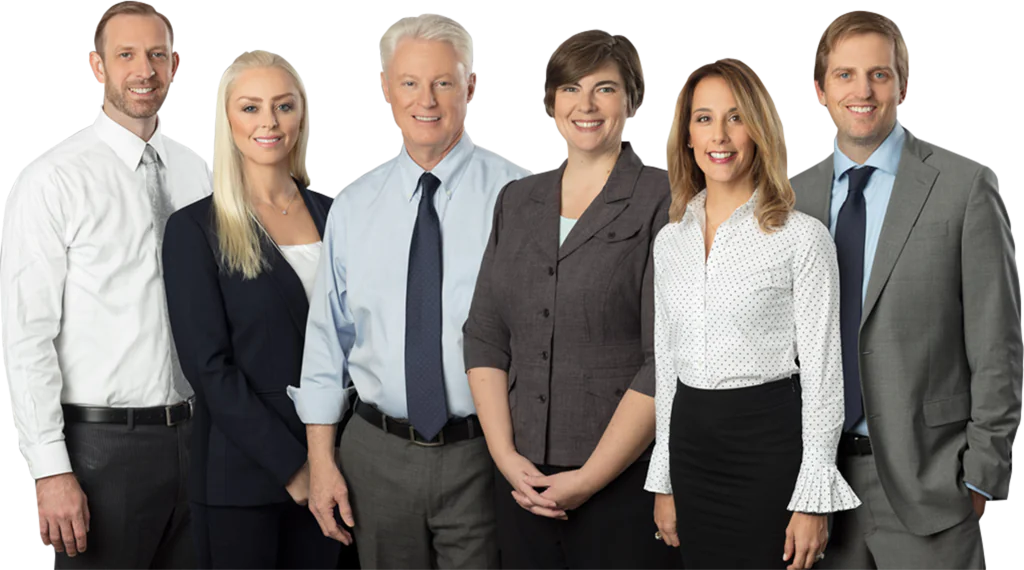
The Ruth Law Team Attorneys